SD17 • EUROPEAN BIO-BASED ECONOMY
Renewing land.
Rebuilding rural futures.
Helping the European transport industry reach net-zero emissions by replacing or neutralizing fossil fuel emissions with renewable, bio-based solutions.
OUR OBJECTIVE
A practical pathway to carbon-neutral performance
We aim to eliminate or neutralize fossil fuel emissions—either by fully replacing fossil fuels or by blending a 25% share of our bio-based fuels. We also focus on rural socioeconomic revitalization through a renewable, bio-based circular economy that supports food security, climate action and social stability.
4 Returns restoration
We restore landscapes, sequester carbon and conserve biodiversity using a proven scientific approach.
Renewable production
We produce renewable energy, bio-based consumer products and food for a circular economy.
Rural livelihoods
We create durable work, income and community resilience in rural towns and cities.
RURAL REVITALIZATION & MARGINAL LANDS PLAN
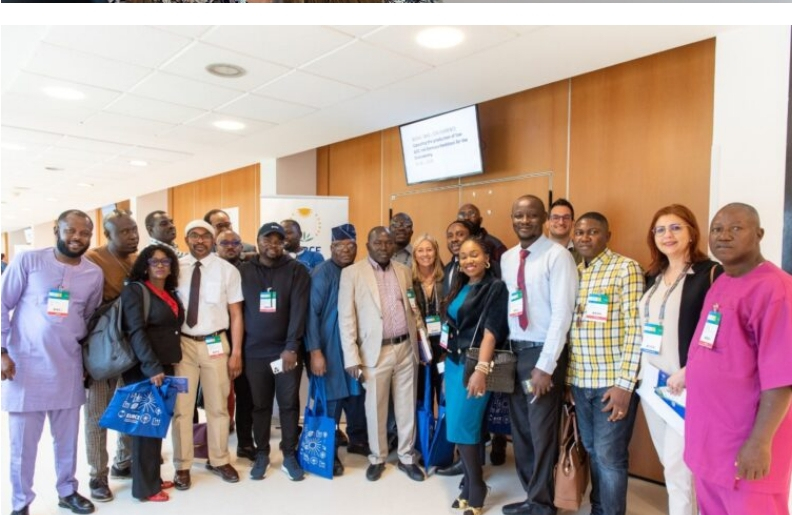
Turning rural challenges into shared prosperity
Southern Mediterranean Europe has tens of millions of hectares of unused marginal land. More than 6,000 small rural towns and cities across Portugal, Spain, France, Italy and Greece are at risk of depopulation.
By investing initially €500,000–€5,000,000 in each town or nearest collective hub, we can establish rural industrial zones producing Eco-Diesel, Eco-Gasoline, bio cooking and heating gas, pharmaceuticals, hygiene and medical products, food and bio-plastics.
Integrating local European migrant workers and legal immigrant families through social absorption programs can create permanent employment while preserving rural heritage and infrastructure.
COOPERATIVE FARMERS EMPOWERMENT PLAN
A new income stream for farming families
Portugal, Spain, France, Italy and Greece have over 4.4 million farmers and agricultural holders managing 103.3 million hectares.
Intercropping our protected, patented WAINER RICINUS TREE with nut, olive and citrus crops can add roughly €1,500 per hectare per year. For an average 5–15 hectare farm, that is €7,500–€22,500 additional annual income per family.
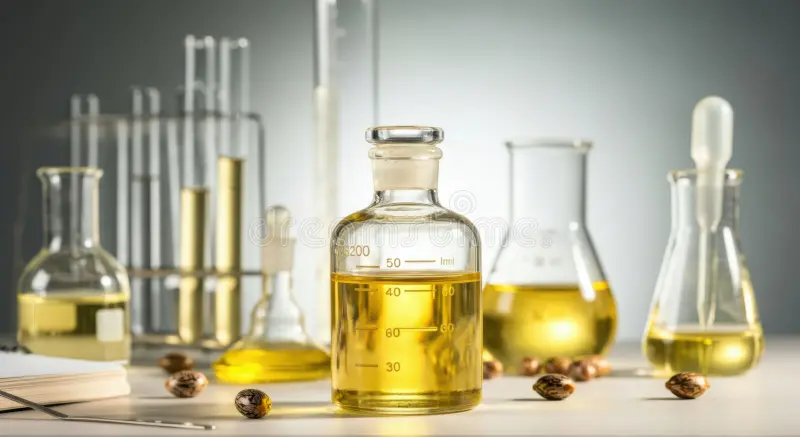
One hectare (100m × 100m) can yield approximately 2,000 liters of vegetable oil per year. At 25% participation we target a 25% biodiesel blend; at 100% participation, renewable biodiesel self-sufficiency.
For every job created in agriculture, two are generated in industry. Ten hectares of WAINER TREES can result in one permanent agricultural job and two industry jobs—roughly one new job for every three hectares.
Potential impact: 10 million agricultural jobs and 20 million industrial jobs—30 million potential new jobs across the five primary countries. At €8 per hour and an average monthly salary of approximately €1,400, total income generated could exceed half a trillion euros annually, keeping wealth within Europe.
BIODIVERSITY & FOOD SECURITY
Protecting the crops that sustain communities
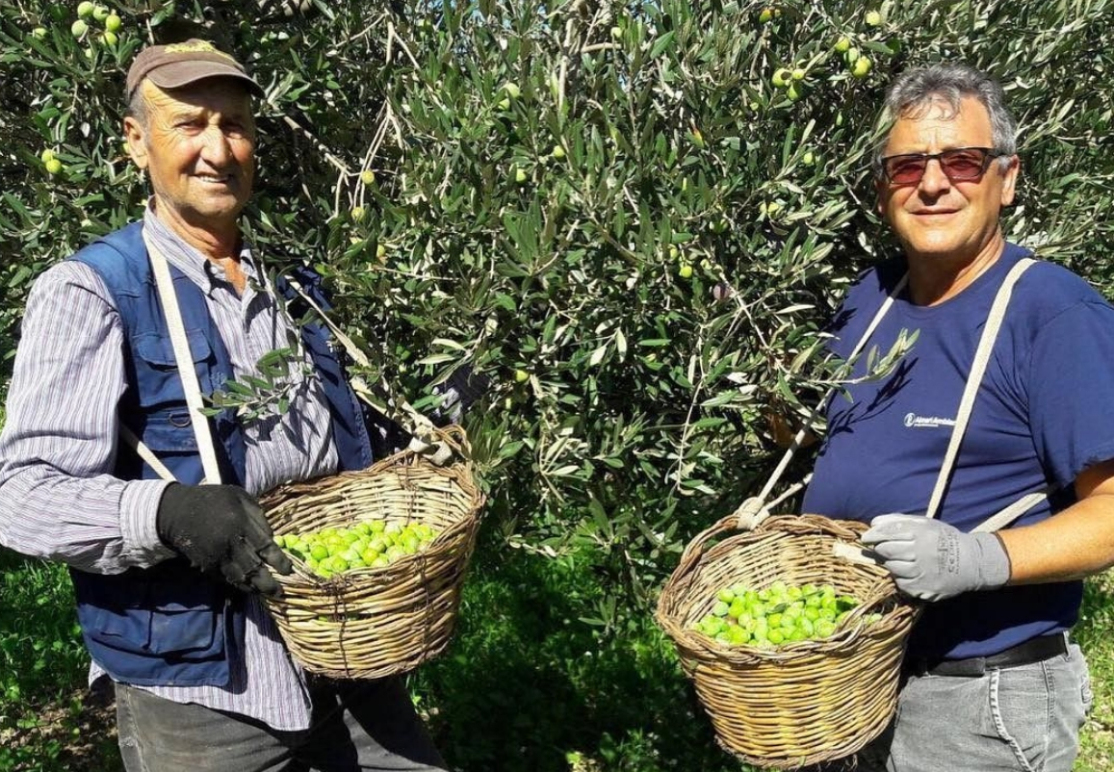
Our WAINER TREES act as a natural fertilizer and pest repellent and are interplanted with food crops. We are focused on the eradication and prevention of Xylella fastidiosa, a dangerous pathogen affecting olive trees, citrus trees and grapevines.
Italy has already lost around 15% of its olive groves, with more than 150,000 hectares lost and over 925,000 hectares under threat. We are working with partners such as Olivami.
BUSINESS SOLUTIONS
Compact, local and circular
We plan to deploy micro biodiesel and biogas compact refineries in each small town or nearest collective hub. Alongside energy, we can produce bio-glycerin, bio-fertilizer, bio-gas and bio-gasoline from waste, plus 800+ consumer products and applications—from shampoo and soaps to medical products, technology components and bio-plastics.
With European and international scientists from leading universities, we are developing bio-medicines, bio-plastics and hydrogen production solutions.
SCOPE & AMBITION
A five-country starting point, a European horizon
Primary EU countries: Portugal, Spain, France, Italy and Greece.
Secondary countries: Croatia, Bosnia & Herzegovina, Montenegro, Serbia, Kosovo, Albania, North Macedonia and Bulgaria.
Our work contributes to all 17 Sustainable Development Goals by connecting climate action, decent work, sustainable communities, food security and biodiversity.
Let’s build a renewable rural future together.
14+ years of experience • 100% carbon-neutral ambition • Supporting a European economy 24/7
